
The Nervous System in the Passenger Seat: Healing Car Accident Trauma with ICBC Counselling
When we talk about recovering from a motor vehicle accident (MVA) in British Columbia, the conversation almost always centres on structural, physical healing. We coordinate our physiotherapy appointments, we wait for whiplash to subside, and we focus on restoring structural mobility.
But what happens when your physical injuries have stabilized, yet your body still goes into a state of sheer panic every time you drive down Broadway or cross the Lions Gate Bridge?
Psychological trauma after a collision is deeply common, yet it is frequently overlooked. You don’t need to have experienced a catastrophic collision to undergo a major shift in your nervous system. Even a minor fender-bender can trigger an acute survival response that leaves you feeling fundamentally unsafe.
If you notice that your emotional recovery is lagging behind your physical healing, your nervous system might still be stuck in the passenger seat, bracing for an impact that has already passed. Here is what is happening beneath the surface—and how accessing ICBC counselling in Vancouver can help you find your footing again.
Somatic Hypervigilance: What Your Body Remembers
Trauma does not live solely as a cognitive memory in the mind; it is a physiological event held within the body’s tissues and nervous system. During a motor vehicle accident, your brain’s threat detection system fires instantly, surging your body with survival energy (fight, flight, or freeze).
When that intense survival energy isn’t fully processed, your nervous system gets locked in an active defence loop. Long after your insurance claim is filed and your car is repaired, your body continues to act as if a threat is imminent.
In our Kitsilano counselling practice, we frequently see this show up as:
- The “Imaginary Brake” Reflex: Automatically tensing your muscles or pressing your foot into the floorboards when riding as a passenger.
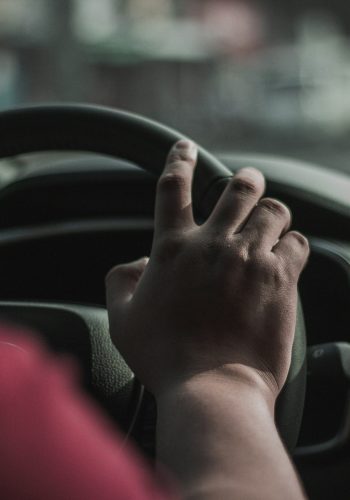
- Somatic Hypervigilance: Your heart racing, your palms sweating, or your jaw clenching the moment you grip the steering wheel or hear a sudden braking sound.
- Avoidance Patterns: Taking long, inconvenient detours to completely bypass the specific intersection where your accident occurred, or avoiding highway driving altogether.
- Intrusive Autonomic Responses: Sudden, vivid flashes of the impact accompanied by a immediate drop in your stomach, irritability, or unexplained exhaustion.
Re-negotiating Trauma Through Somatic & Relational Care
Because motor vehicle accident trauma embeds itself so deeply in our physiology, traditional talk therapy is often only one piece of the puzzle. At Haven Wellness Collective, our approach to car accident trauma therapy in BC bridges relational and somatic (body-centered) perspectives.
We don’t force you to repeatedly narrate the details of the crash, which can easily re-traumatize an already overwhelmed system. Instead, we work at your pacing to gently explore where that defensive energy is stuck. By tracking physical sensations and introducing gentle regulation tracking tools, we help your nervous system decode the present moment, teaching your body that it is finally safe to let go of the brace.
Accelerating Recovery: Why EMDR is the Gold Standard for Car Accident Trauma
When your brain experiences the sudden shock of a car accident, the sights, sounds, and physical impacts can become “frozen” in their raw, survival-oriented state. This is why a passing headlight or the squeal of brakes can instantly trigger a full-blown panic attack years later—your brain literally cannot tell that the danger has passed.
At Haven Wellness Collective, our ICBC approved counsellors frequently utilize EMDR therapy in Kitsilano to help clients process these stuck memories.
EMDR is a structured, evidence-based modality that uses bilateral stimulation (such as guided eye movements or gentle hand tapping) to help your brain reprocess the traumatic event.
- You don’t have to retell every detail: Unlike traditional talk therapy, EMDR doesn’t require you to describe the crash over and over. We focus directly on how the memory is stored in your brain and body.
- It targets specific triggers: Whether your panic is tied to the sound of shifting metal, the image of an airbag deploying, or the sudden feeling of a seatbelt locking, EMDR untangles the emotional charge from those specific sensory details.
- Rapid symptom relief: Because EMDR helps the brain resume its natural healing process, many clients experience a significant reduction in nightmares, flashbacks, and acute driving anxiety in a fraction of the time of standard therapy.
Best of all, trauma-informed EMDR is fully accessible under your pre-approved ICBC counselling sessions, meaning you can access specialized trauma care with zero out-of-pocket costs.


The Practicalities: Navigating ICBC Enhanced Care
Managing medical appointments and administrative paperwork while operating in a state of chronic fight-or-flight can feel incredibly daunting. Fortunately, BC’s Enhanced Care model is built to remove the financial friction of mental health support so you can prioritize recovery.
The Essential Details: Under the current ICBC Enhanced Care guidelines, every B.C. resident injured in a crash is automatically pre-approved for 12 fully covered counselling sessions within the first 12 weeks following the accident date—regardless of who was at fault.
When you access care at Haven Wellness Collective, we make the operational logistics completely seamless:
-
Zero Upfront Costs: Our ICBC approved counsellors bill ICBC directly at the standard rate of $160 per 50-minute session. You do not pay out of pocket, and there are no user fees.
-
No Doctor’s Referral Required: You do not need a note from a family physician or a specialist to begin. You simply need your active ICBC claim number and your date of birth.
-
Flexible Clinic Formats: We offer calm, intentional in-person therapy at our warm Vancouver clinic spaces, as well as secure virtual telehealth options across BC if travelling to an office feels like too much for your system right now.
-
Continuity of Care: If your trauma symptoms are complex and you require support past the initial 12-week early access period, our clinical team works directly with your ICBC recovery specialist to submit treatment plan extensions on your behalf.
Your psychological safety and driving confidence are just as critical to your quality of life as your physical mobility. If you are tired of white-knuckling your daily commute, let’s work together to bring your nervous system back to a state of ease.
How to Book Your Pre-Approved ICBC Sessions:
-
Choose Your Format: Decide whether you would prefer the warm, grounded environment of our Kitsilano counselling clinic or the comfort and ease of secure online video therapy from anywhere in BC.
-
Gather Your Details: All you need is your active ICBC Claim Number and your Date of Birth. No doctor’s referral required.
-
Connect with a Specialist: View our team of ICBC-approved counsellors and EMDR therapists. We will handle all the direct billing and administrative coordination seamlessly so you can focus entirely on your nervous system.