
Grieving Together: Navigating Collective Grief and Tragedy
When a tragedy impacts a community, the effects ripple far beyond those directly involved. In the days and weeks following the school shooting in Tumbler Ridge, many people are noticing emotional, physical, and psychological responses that feel confusing, overwhelming, or hard to name.
This is collective grief — and it is a deeply human response.
This article offers trauma-informed education about what collective grief is, how it may show up, and gentle, evidence-based ways to care for yourself and others during this time.

What Is Collective Grief?
Collective grief is the shared emotional response that arises after a tragedy affects a group, community, or society as a whole. It can occur after events such as violence, natural disasters, sudden loss, or anything that disrupts a community’s sense of safety and stability. One myth that we often hear is that if you weren’t there, or know someone directly impacted that you wouldn’t be grieving, but the truth is: you do not need to be directly involved to experience collective grief.
When something happens in a place that represents care, growth, or safety — such as a school — our brains and nervous systems register it as a threat to what we assume should be protected. This can activate stress responses even in people far from the event. Collective grief lives not only in the mind, but in the body.
What Does Collective Grief Feel Like?
There is no single way to experience grief. Many people notice a mix of emotional, cognitive, and physical responses. Some things you might experience are:
- Difficulty concentrating or staying focused
- Emotional numbness or feeling disconnected
- Waves of sadness or frequent tears
- Irritability or anger
- Heightened anxiety about safety
- Trouble sleeping or changes in appetite
- Deep fatigue or heaviness in the body
- Guilt for continuing daily routines
It’s also common to have unanswered questions, such as:
- How could this happen?
- Are we safe?
- What do I tell my children?
- Why does this affect me so deeply?
- What if it happens again?
These reactions are not signs of weakness or overreaction. They reflect the brain’s attempt to make sense of something that feels sudden, unfair, or senseless.
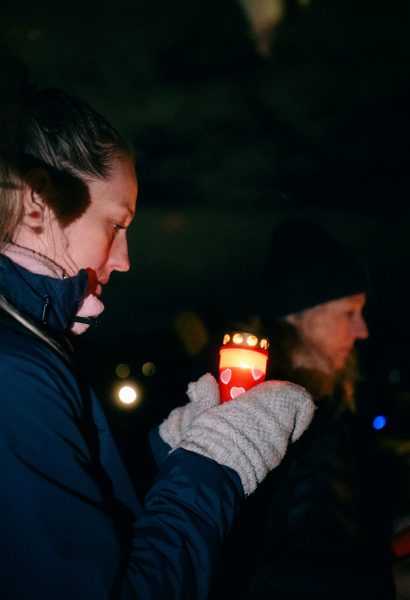
Why Collective Grief Affects the Nervous System
From a trauma-informed perspective, collective grief activates the autonomic nervous system — the system responsible for detecting danger and keeping us safe.
When we witness or hear about tragedy:
- The brain may stay in a heightened state of alert
- The body may remain tense or restless
- Thoughts may loop as the mind seeks meaning or control
This is why people often feel “on edge,” exhausted, or emotionally flooded after community tragedies. The body is responding as if danger may still be present. Working through collective grief means supporting nervous system regulation — not forcing emotional processing before the body feels safer.
What do I do with these feelings?
What you are feeling is completely natural, and there is no “right way” to grief. Grief comes in waves – especially as layers of loss unfold. Here are a few suggestions:
- Allow your body to move through your grief feelings. This means allowing yourself the space to cry, yell, dance, shake, etc.
- Find connective spaces to grieve, so you are not isolated in your grief
- Reach out to a friend who can listen and grieve with you
- Remind yourself that there is no timeline on this grief and all of your feelings are valid.
- Set aside specific time to feel your emotions – i.e. afterwork I will come home and not plan anything until dinner time to allow myself the space to feel my feelings
- Balance information with boundaries – consider being intentional about when you are engaging in updates on a situation
- Consider avoiding graphic or speculative content
- Ask yourself: What do I need right now? Do I need more information or time to feel or ground myself?
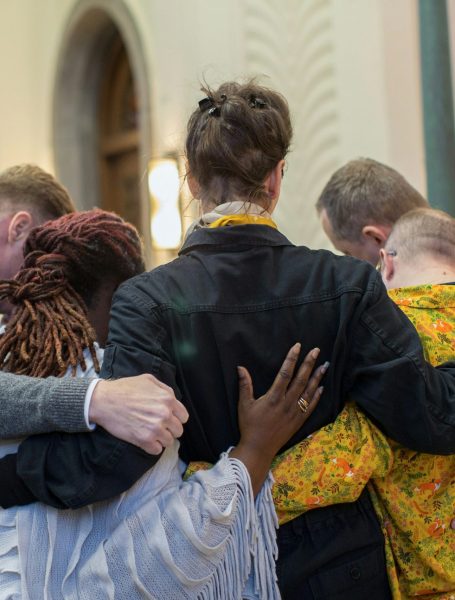
Moving Forward Together
Healing after community tragedy is not linear. Collective grief may resurface unexpectedly — days, weeks, or months later. Gentleness, patience, and compassion are essential. Caring for yourself is not separate from caring for the community. It is part of it. If you or someone you love is struggling, reaching out for professional support can be a meaningful step toward healing.
You do not have to navigate this alone.