An Honest Review of 3 Neuroaffirming Books (From a Neurodivergent Counsellor)
Finding out you are neurodivergent as an adult can feel like finally receiving the missing pieces to a puzzle you’ve been trying to solve your entire life. Suddenly, years of chronic burnout, sensory overwhelm, and feeling “different” begin to make sense.
But navigating this late-discovery journey can also feel incredibly overwhelming. With so much clinical jargon out there, where do you actually start?
At our practice, we believe that true neurodiversity affirming counselling goes beyond diagnostic manuals. To celebrate neuroaffirming care, I sat down to share my top three book recommendations, my honest reviews, and how we can apply these lived-experience insights to both our daily lives and our clinical practice.
Whether you are looking for a neuroaffirming therapist in Vancouver or online, or you are a clinician looking to deepen your practice, these reads offer invaluable insights and a roadmap to understanding what it means to be a neurodivergent person.
The Book Reviews
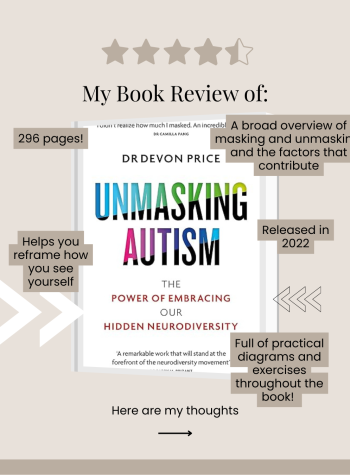
1. Unmasking Autism by Dr. Devon Price
-
Rating: 4.5/5 stars (A comprehensive, eye-opening overview of masking and identity)
-
Top Takeaway: “The only way that all Autistic people will be able to unmask is if society changes dramatically. A world with more flexible norms and less stigma is a more accessible world…”
Who is this for? I highly recommend this for Autistic individuals who have been masking for a long time and want to unpack the social and cultural factors behind it. Dr. Price beautifully explores how gender, ethnicity, culture, socialization, and trauma shape our need to mask. It’s perfect for anyone wanting to understand what masking has been protecting them from, how it impacts daily functioning, and how to safely begin reframing your relationship with yourself and others. Plus, it includes concrete, practical diagrams and exercises for those who like actionable tools.
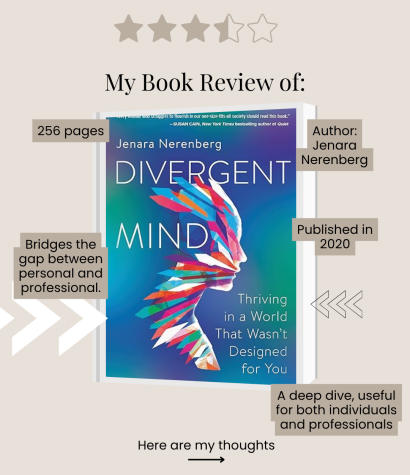
2. Divergent Mind by Jenara Nerenberg
-
Rating: 3/5 stars (A deep, informative dive that bridges personal and professional worlds)
-
Top Takeaway: Understanding your needs, communicating them, and having them respected by your social systems changes everything. As Nerenberg writes: “Once [she] embraced her own labels, categories, identifications… learnt about them, I adjusted, we all adjusted, and now I have a thriving life, meltdowns and all.”
Who is this for? This is an excellent read for individuals looking to develop a broader understanding of various types of neurodivergence, including Autism, ADHD, Synesthesia, and Sensory Processing Disorder (SPD). It is especially helpful for anyone interested in learning how to design a “sensory-compatible lifestyle” and for workplaces aiming to cultivate genuinely inclusive environments.
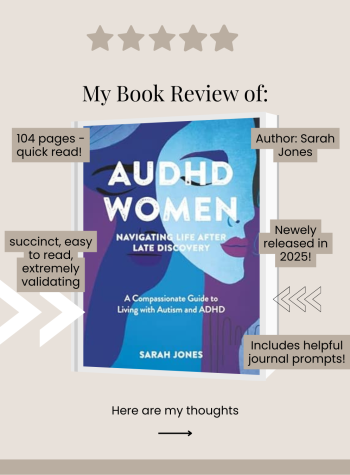
AuDHD Women: Navigating Life After Late Discovery by Sarah Jones
-
Rating: 5/5 stars (Succinct, incredibly validating, and easy to read)
-
Top Takeaway: This book provides a lot of validation towards the difficulties that neurodivergent individuals face living in a neurotypical world while also increasing openness and awareness around the ways by which one could find out what ways of being (e.g. routines) could work for them better, and how to advocate for these.
Who is this for? This is specifically written for women navigating the unique overlap of Autism and ADHD (AuDHD) discovered in adulthood. Individuals who prefer a concrete, succinct read on how Autism and ADHD overlap, the impacts of masking and burnout, and appreciate exploring their experiences and learning ways to unmask and advocate for self through suggestions and journal prompts.
Frequently Asked Questions About Neurodiversity & Neuroaffirming Care
Why is it vital for neurodivergent individuals and their clinicians to seek out books written by people with lived experience rather than just clinical manuals?
There is simply no “one size fits all” when it comes to neurodivergence. Experiences, sensory needs, and desired accommodations vary wildly from person to person. Often, we learn infinitely more by listening to real people share their stories than we ever could by reading a rigid list of symptoms on a clinical page. Learning from lived experience fosters genuine empathy, builds community connection, and anchors our understanding in reality.
How do you integrate these concepts—like “unmasking” or “sensory-compatibility”—into your actual counselling and supervision sessions?
In my practice, clients retain total autonomy over if, when, and how they choose to unmask. Right from the intake session, I explicitly state that the therapy room is a collaborative space where they should feel safe and comfortable. I actively invite them to let me know what they need from me, themselves, or the environment.
Practically, this means tweaking the external environment to suit their unique sensory needs. I’ll check in to see if they prefer the harsh overhead lights turned off in favor of warmer lamps (or no lights at all). I ensure they know that forcing eye contact is never required here, and I always provide a variety of fidget objects to support tactile stimulation and nervous system regulation during our time together.

“Unmasking” is a major theme in these reads. What is the biggest misconception about unmasking, especially for women or those from diverse cultural backgrounds?
The biggest misconception is that unmasking looks identical across the board. The reality is that marginalized individuals often face much steeper barriers to unmasking that are directly tied to their physical and emotional safety—such as deeply ingrained gender roles and cultural norms. Because of this, masking isn’t just a habit; it’s often a survival strategy. Unmasking must be treated as an intentional, highly informed process where we carefully navigate both safety and sensory needs together.
If someone feels overwhelmed… how should they approach these resources without spiraling into “research burnout”?
It can be really helpful to talk with other trusted neurodivergent individuals or by talking to a professional, as they can provide support, pacing, and understanding as one navigates understanding their neurodivergence and learning about ways they might want to support themselves. Learning about yourself can be exciting and overwhelming – remember to take breaks and reach out for support!
What other advice would you give to someone who has discovered or is discovering that they are neurodivergent?
Be patient and compassionate towards yourself as you discover more about yourself, your needs, and how you would like to show up in the world today. Connecting and learning from other individuals who have been on their own journeys of understanding their neurodivergence can be helpful, and it may not exactly mimic your needs or experiences. I hope that learning about your neurodivergence helps you care for yourself a little better and gives you more agency and autonomy on how you’d like to show up in the world today. True neuroaffirming therapy honours the fact that neurodivergence is not one-size-fits-all. My ultimate hope is that leaning into a neurodiversity affirmative practice framework helps you care for yourself with more agency, autonomy, and radical self-acceptance.
Looking for Neuroaffirming Support?
If you are an adult looking for a safe, validating space to explore your identity, our multidisciplinary team offers specialized neurodiversity counselling in Vancouver and online across British Columbia. We meet you exactly where you are, with total autonomy over how and when you choose to unmask. Sign up for a free 15 minute consultation call to see if we are the right fit to work together.