Why Do We Keep Having the Same Fight?
If you’ve ever found yourself thinking,
“How are we having this argument again?”
you’re not alone.
Many couples come to counselling feeling frustrated because they seem stuck in the same conflict. The topic might change- from dishes to texting, money to intimacy—but the feeling underneath remains the same. One partner feels unheard, while the other feels criticized. One reaches for connection, while the other pulls away.
After a while, it can feel less like you’re arguing about the issue itself and more like you’re caught in a loop you can’t escape. The good news? Repeating the same fight doesn’t necessarily mean your relationship is unhealthy or beyond repair. More often, it just means you’re caught in a pattern, and the good news is that patterns can change.
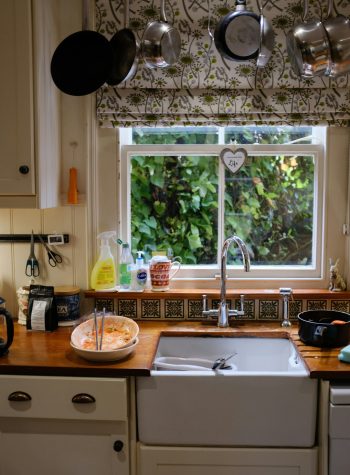
You’re Probably Not Fighting About the Dishes
On the surface, your argument might be about chores, spending habits, or whose turn it is to plan date night. Underneath, the conversation often sounds more like:
- Do I matter to you?
- Can I trust that you’ll be there when I need you?
- Do you understand how I’m feeling?
- Am I enough?
These deeper questions aren’t always spoken out loud, but they often drive the emotions behind recurring conflict. When our needs feel threatened, our nervous system shifts into protection mode. We may become defensive, withdraw, criticize, shut down, or pursue reassurance more intensely.
The Cycle Becomes the Problem
One of the biggest misconceptions about relationship conflict is that the problem is the argument itself. In reality, it’s often the cycle between partners. For example:
One partner feels disconnected and asks for more closeness. The other feels overwhelmed by the criticism and pulls away. The first partner feels even more rejected and pushes harder. The second partner withdraws even further.
Neither person is trying to hurt the other.
Both are trying to feel safe.
Over time, this pattern becomes automatic. Couples often describe feeling like they’re having the exact same conversation over and over, even if the topic changes. Recognizing this cycle is often one of the first steps toward creating lasting change.
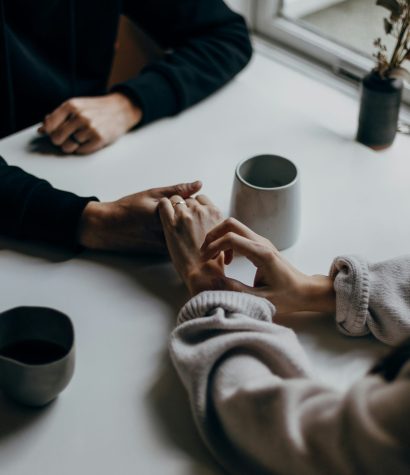
Attachment Can Help Explain What’s Happening
Our early experiences with connection often shape how we respond in adult relationships. This doesn’t mean our childhood determines our future, but it can influence how we experience closeness, conflict, vulnerability, and trust. For example, when we feel emotionally threatened, we may naturally:
- seek reassurance and closeness
- become highly sensitive to signs of rejection
- pull away to avoid conflict
- shut down emotionally until we feel safe again
These responses are often connected to our attachment patterns rather than intentional choices.Understanding attachment can help shift the conversation from:
“What’s wrong with you?” to “What happens inside each of us when we feel disconnected?”
That change in perspective can create much more compassion—for ourselves and for our partners. So what’s the solution?
Communication Isn’t Just About Saying the Right Thing
Many couples who struggle with recurring arguments look for better communication strategies. Those can absolutely help, but communication skills often aren’t enough if both partners’ nervous systems are activated.
It’s difficult to listen, empathize, or solve problems when your brain is focused on protecting you from emotional pain. Healthy communication starts with creating enough emotional safety that both people can stay present during difficult conversations. Only then can couples begin solving the practical issues underneath.
Can Couples Counselling Help?
Many people wait until conflict has been happening for years before reaching out. In reality, couples counselling isn’t just for relationships in crisis. It can help couples:
- understand recurring conflict patterns
- improve communication
- rebuild emotional connection
- strengthen trust
- navigate life transitions
- feel more like teammates instead of opponents
Rather than deciding who is “right,” therapy focuses on understanding the cycle that keeps both partners feeling stuck. When couples can recognize the pattern together, they often begin responding to one another with more curiosity and compassion instead of blame.

Small Changes Can Shift Longstanding Patterns
If you and your partner keep having the same fight, it doesn’t necessarily mean you’re incompatible. Often, it means you’re both trying to communicate important emotional needs in ways that accidentally keep the conflict going. Learning to recognize those patterns—and understanding what they’re protecting—can open the door to different conversations and stronger connection.
Relationships don’t become healthier because conflict disappears. They become healthier because partners learn to move through conflict differently.
Looking for Couples Counselling in Vancouver?
If recurring arguments are leaving you feeling disconnected, frustrated, or unsure how to move forward, couples counselling can help you better understand the patterns in your relationship and build new ways of connecting.
At Haven Wellness Collective, our therapists support couples in Vancouver and virtually across British Columbia using evidence-informed, attachment-informed approaches that focus on strengthening emotional connection rather than assigning blame.
Whether you’re navigating frequent conflict, communication challenges, or simply want to feel closer again, we’re here to help.
You can learn more about our Couples Counselling services, explore our resources on attachment and relationships, or connect with one of our couples therapists, including Kate James, and Sandy Zhang to find the support that’s right for you.