Finding a Spanish-Speaking Therapist in Vancouver: Why Language Matters in Therapy
Finding a therapist who feels like the right fit can take time. You might be looking for someone who understands what you’re going through, whose approach feels comfortable, and who creates a space where you can be yourself.
For people who speak more than one language, there can be another important part of that fit: the language you use in therapy.
If Spanish is your first language-or simply the language that feels most natural when talking about certain parts of your life—working with a Spanish-speaking therapist can make it easier to express experiences that don’t always translate perfectly into English. And sometimes, the language that feels most like you isn’t entirely Spanish or entirely English. It might be a combination of both, and Spanglish is your preferred language.
At Haven Wellness Collective, we believe therapy should be a space where you don’t have to work so hard to be understood, and we value having therapists who speak multiple languages on our team so finding the right words to share how your feeling doesn’t need to include translating them in your head first.

Some Things Are Easier to Say in Your First Language
Even if you’re completely comfortable speaking English in your everyday life, talking about emotions can be different. You might work, study, socialize, and navigate most of your day in English but find yourself naturally returning to Spanish when talking about your childhood, family, relationships, or more emotional experiences.
Language is connected to memory and meaning. There may be expressions you grew up hearing, nicknames your family uses, jokes that only make sense in Spanish, or ways of describing an experience that simply don’t feel quite the same when translated.
Sometimes a word technically can be translated, but the translation doesn’t carry the same feeling behind it. Having a therapist who understands the language you’re using—and the meaning that can sit underneath it—can make it easier to tell your story without having to stop and explain every word along the way.
Spanglish Is a Language, Too
For many bilingual people, the way they actually communicate doesn’t fit neatly into a box.
Maybe you start a sentence in English and finish it in Spanish. Maybe certain emotions come out in Spanish while other thoughts come more naturally in English. Maybe your conversations with friends and family are a constant back-and-forth between the two.
Spanglish can be part of how you communicate, connect, joke, tell stories, and express who you are. Therapy doesn’t need to require you to choose one language and stick with it.
Working with a therapist who speaks both Spanish and English can give you the freedom to move between languages naturally—to use the word, expression, nickname, or phrase that actually captures what you mean rather than searching for an English equivalent.

Language and Culture Are Often Connected
Language doesn’t exist separately from culture.
The words we use can carry cultural expectations, family roles, humour, values, traditions, and ways of understanding relationships. Even something as simple as how you address a parent, grandparent, aunt, or family friend can communicate something about closeness and respect that isn’t obvious from a direct translation.
Cultural norms can also influence how we think about emotions and mental health. For some clients, therapy might involve navigating:
- Family and intergenerational expectations
- Immigration or adjusting to life in Canada
- Balancing individual needs with family or community values
- Relationships with parents and extended family
- Expectations around respect, responsibility, or caregiving
- Feeling caught between cultures
- Identity and belonging
- Raising children within more than one culture
- Loneliness, homesickness, or disconnection
Of course, speaking the same language doesn’t mean sharing the same culture. Spanish-speaking communities represent many different countries, identities, traditions, and experiences.
But having a therapist who understands both Spanish and English can mean there is already an understanding that language carries more than its literal meaning.
You can say the nickname your grandmother called you, repeat something your mom always says, or use an expression that perfectly describes how you’re feeling without immediately having to figure out how to translate the cultural context behind it.
You Don’t Have to Translate Your Experience Before Talking About It
Therapy already asks us to put complicated experiences into words. Sometimes that’s difficult enough on its own. When you’re also mentally translating those experiences into another language, it can create an additional barrier.
Maybe you know exactly what you want to say in Spanish, but the English version doesn’t feel quite right. A childhood memory might come back to you in Spanish because that’s the language you experienced it in. Or there might simply be a Spanish expression that captures your experience better than anything you can think of in English. Having the option to speak Spanish in therapy means you can communicate those experiences as they come to you rather than translating them first.
Finding a Spanish-Speaking Therapist in Vancouver
If you’re searching for a Spanish-speaking therapist in Vancouver, finding someone who speaks your language is one part of finding the right fit.
It’s also important to consider whether you feel comfortable with the therapist, whether their experience aligns with what you’re looking for support with, and whether their approach to counselling resonates with you.
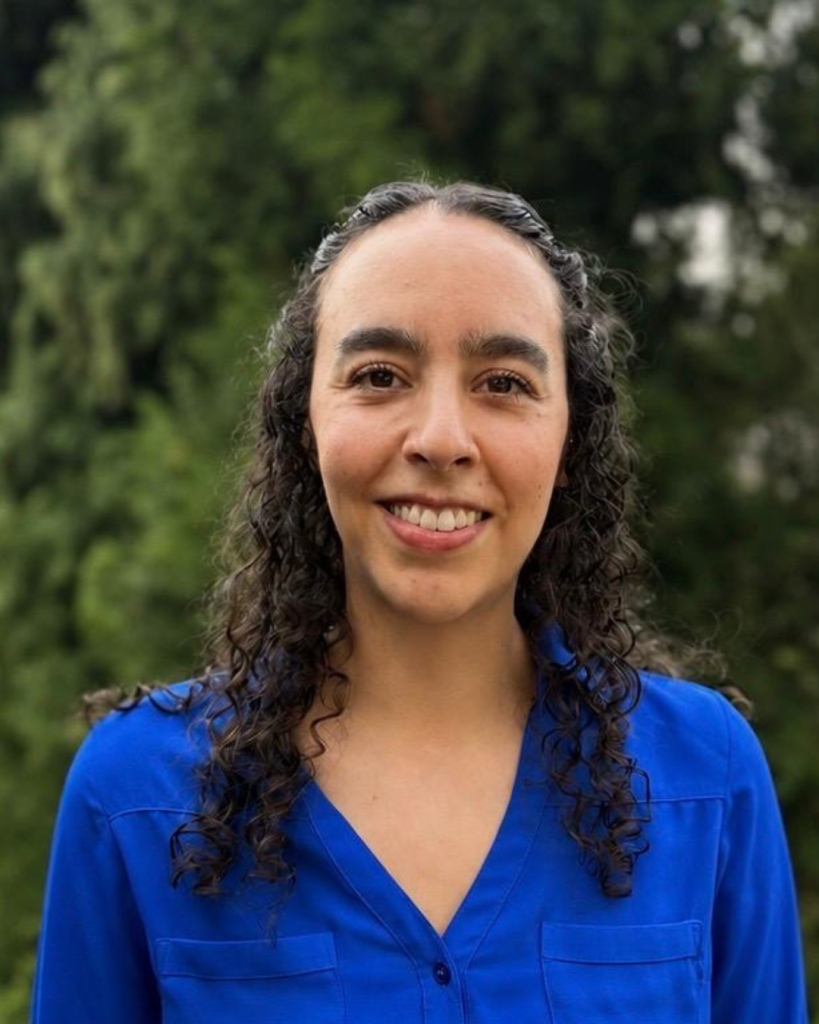
At Haven Wellness Collective, Paula offers counselling in both Spanish and English for children, teens, and adults in Vancouver.Paula takes a warm, compassionate, and collaborative approach to therapy, creating space for clients to explore their experiences at a pace that feels comfortable. She supports clients navigating a range of emotional, relational, and life challenges and is passionate about helping people feel heard, understood, and supported. For Spanish-speaking and bilingual clients, sessions can happen in Spanish, English—or naturally move between the two.
We also have a registered physiotherapist Tony Cruz who is a Spanish Speaking phsyiotherapist who offers physiotherapy in Spanish as well, because talking about your injuries, learning exercises, and navigating the medical system in another language is hard, and so if you are more comfortable receiving physiotherapy and medical care in Spanish, feel free to reach out to Tony as well.
Counselling in Spanish at Haven Wellness Collective
Therapy can already feel vulnerable. Language shouldn’t have to be another barrier to receiving support. If you’ve been searching for counselling in Spanish in Vancouver, a Spanish-speaking counsellor, or simply a therapist who understands that sometimes the best way to explain something is en español, in English, or somewhere in between, Paula may be a good fit.
La terapia también puede ser un espacio donde puedas expresarte como eres—en español, en inglés, o en los dos.
Book a free consultation call with Paula to see if she’s the right fit today.